


8-Day Northern Kenya Safari — Samburu, Chalbi Desert & Lake Turkana: Northern Kenya is one of Africa’s last true frontiers — vast, remote, and almost entirely untouched by mass tourism. This 8-day safari takes you far beyond the classic Kenya circuit into a world of shifting desert sands, volcanic craters, ancient tribal cultures, and one of the most extraordinary lakes on earth.
From the wildlife-rich plains of Samburu National Reserve, you travel north through Kenya’s remote frontier landscapes to Marsabit — a cool green mountain oasis rising unexpectedly from the surrounding desert. From there, you cross the Chalbi Desert, one of Kenya’s most dramatic landscapes, before arriving at Lake Turkana: the world’s largest permanent desert lake, and one of the most visually striking places on the African continent.
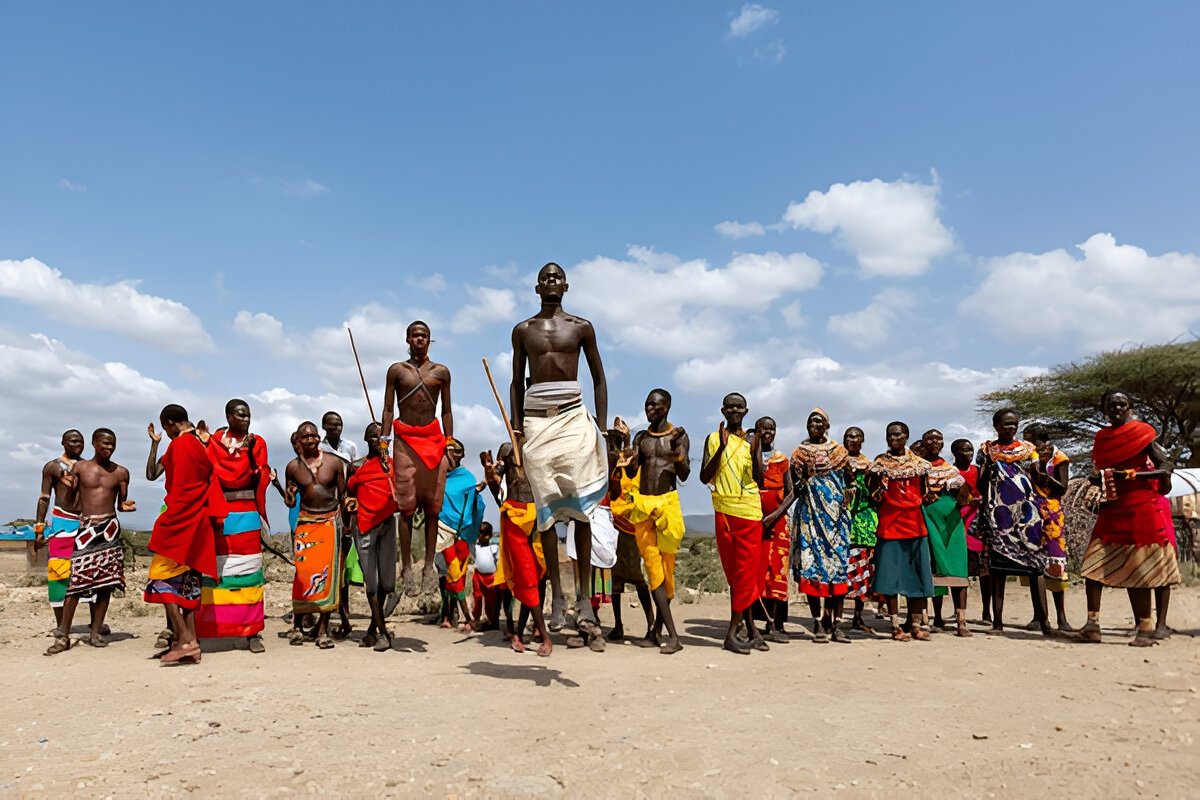
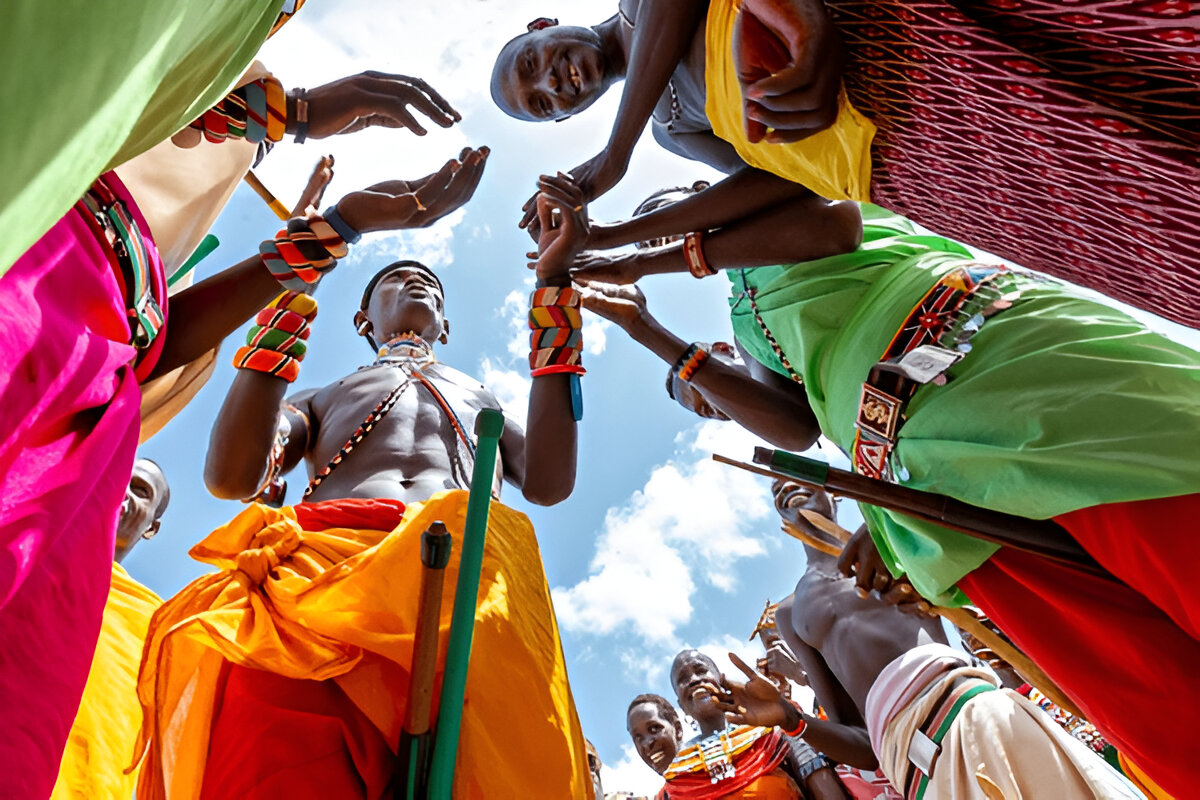
Along the way, you meet five distinct communities — the Samburu, Rendile, Gabbra, Turkana, and El Molo peoples — each with their own culture, traditions, and deep connection to this demanding landscape. You eat around bonfires under desert skies, explore volcanic shorelines, and discover landscapes that most travellers never see.
This is not a typical Kenya safari. This is a genuine expedition into one of Africa’s most compelling and least-visited regions — in eight unforgettable days.
8-Day Northern Kenya Safari Highlights
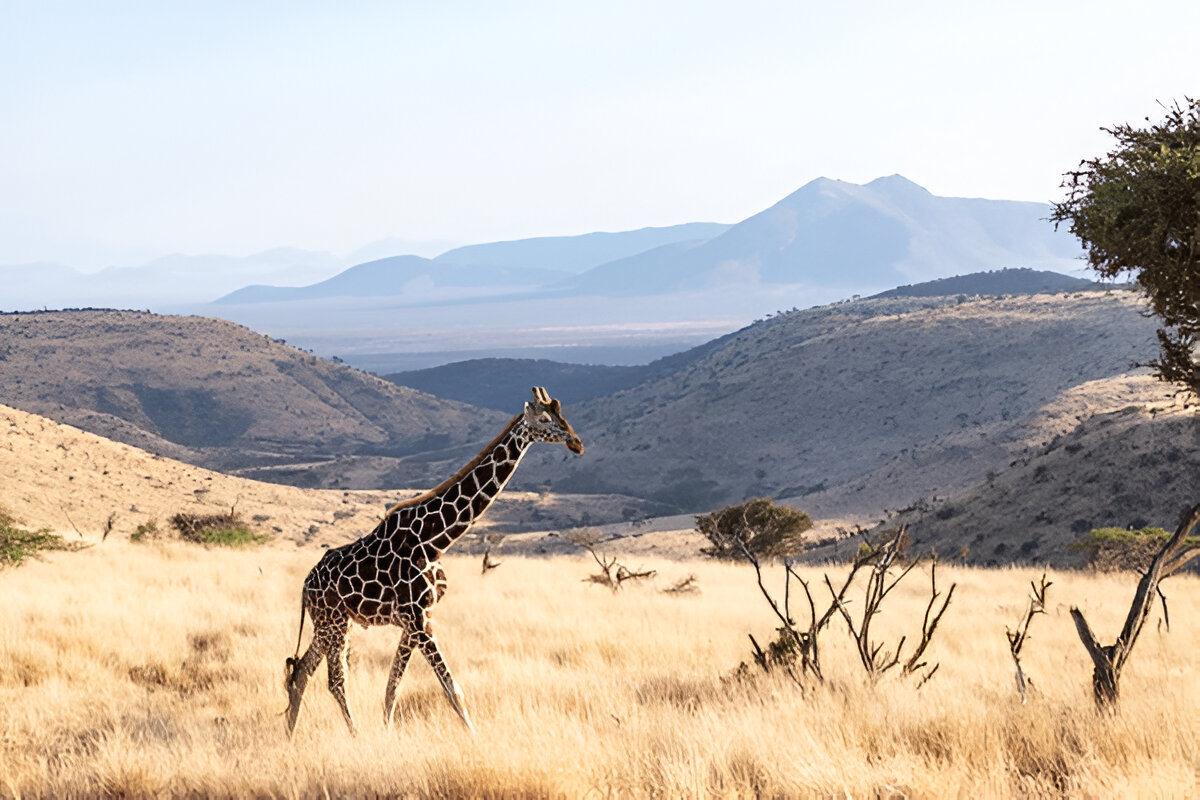
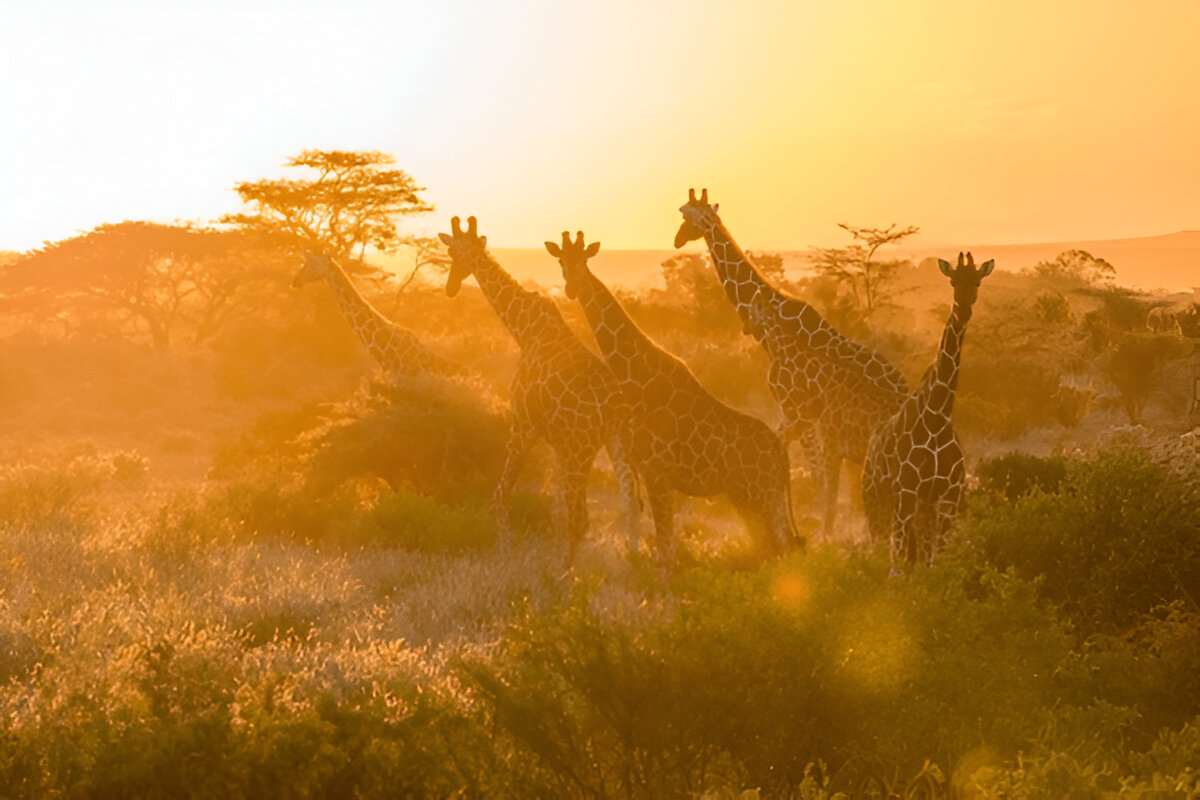
- Samburu National Reserve — spot the Samburu Special Five: Reticulated Giraffe, Grevy’s Zebra, Beisa Oryx, Somali Ostrich, and Gerenuk
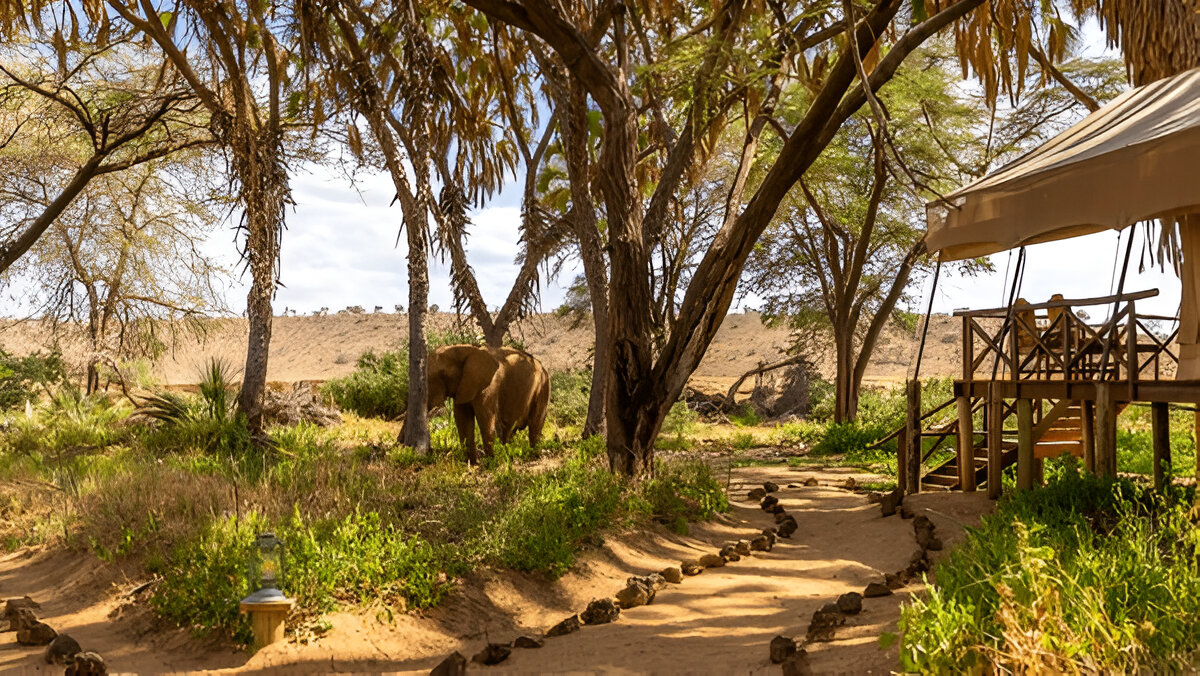
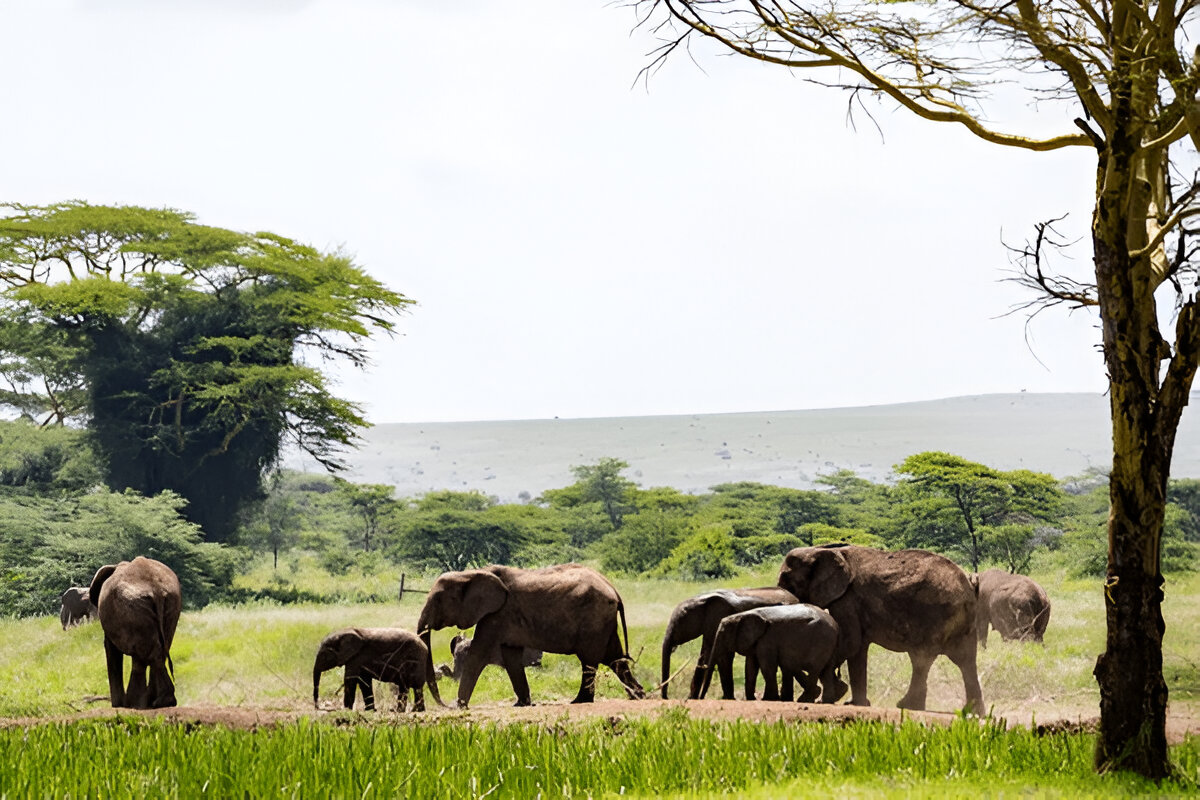
- Marsabit — a green mountain oasis surrounded by arid desert, with rich cultural diversity and elephant sightings
- Chalbi Desert — Kenya’s most dramatic desert landscape; vast, silent, and unforgettable
- Lake Turkana (The Jade Sea) — the world’s largest permanent desert lake, stretching across the Ethiopian border
- Lake Turkana Sunset Experience — beautiful sunset views over the Jade Sea every evening while staying in Loiyangalani
- El Molo Village — meet one of Kenya’s smallest and most unique ethnic communities
- Suguta Valley & South Horr — dramatic scenery on the drive south from Loiyangalani
- Five Tribal Communities — Samburu, Rendile, Gabbra, Turkana, and El Molo cultural encounters
- Desert Stargazing — some of the darkest skies in East Africa, far from any city light
Why Visit Northern Kenya?
Most visitors to Kenya never venture north of the equator. That is exactly what makes Northern Kenya so extraordinary.
The classic Kenya safari circuit — Masai Mara, Amboseli, Tsavo — is magnificent. But it is also well-travelled. Northern Kenya is something else entirely: a vast, largely roadless landscape where the wildlife is rare, the cultures are ancient, the scenery is unlike anywhere else on earth, and you will rarely share any of it with another tourist.
This is the Kenya that existed before mass tourism. The Kenya where you can drive all day without passing another vehicle. Where the communities you meet are not performing for visitors — they are simply living as they have for centuries, and generously welcoming you into that world.
The north also rewards photographers in ways that polished safari destinations cannot. The light, the landscapes, the people, the wildlife — everything here has a rawness and authenticity that is increasingly rare in modern travel.
If you have already done the classic Kenya safari and want to go deeper, or if you are the kind of traveller who seeks experiences most people never find, Northern Kenya is waiting.
Why Lake Turkana Is Called the Jade Sea
Lake Turkana earned its famous name from the Austrian explorer Count Samuel Teleki, who was among the first Europeans to reach its shores in 1888. He named it Lake Rudolf after the Crown Prince of Austria — but that name faded. What endured was the description that every traveller who has ever stood on its shores instinctively reaches for: the Jade Sea.
The colour is the first thing you notice. Not blue like an ocean, not brown like a muddy river, but a deep, shifting blue-green that changes with the light and the wind. That colour comes from two sources: the Spirulina algae that thrive in the lake’s alkaline waters, and the volcanic minerals dissolved from the ancient lava fields that surround it.
Lake Turkana is the world’s largest permanent desert lake — 290 kilometres long, between 20 and 50 kilometres wide, and set in one of the most remote and dramatic landscapes in Africa. Its northern shores touch Ethiopia. Its basin is believed to be one of the most important cradles of human evolution on earth, with fossil sites around the lake yielding some of the oldest hominin remains ever discovered.
The lake is also alive. Despite its alkaline waters, Lake Turkana supports an enormous population of Nile crocodiles — one of the largest concentrations anywhere in the world — as well as hippos, flamingos, and over 350 recorded bird species.
Standing on the shore of the Jade Sea for the first time, after days of travelling through desert to reach it, is one of the most memorable moments this safari delivers.
The Samburu Special Five
Samburu National Reserve is where this safari begins — and for good reason. While the Masai Mara is famous for the Big Five, Samburu is home to a different, rarer set of animals: five species uniquely adapted to the dry, semi-arid landscapes of northern Kenya that you will not find on a southern circuit safari.
- Reticulated Giraffe — the most visually striking of all giraffe subspecies, with a coat of large, clearly defined polygonal patches separated by white lines. Samburu has one of the strongest populations anywhere.
- Grevy’s Zebra — the world’s largest wild equid and one of its most endangered. Distinguished from the common plains zebra by its narrow stripes, large rounded ears, and white belly. Listed as Endangered on the IUCN Red List.
- Beisa Oryx — a large antelope built for the desert, with long straight horns, a striking black-and-white face, and the remarkable ability to raise its body temperature to avoid sweating and conserve water.
- Somali Ostrich — found only in the Horn of Africa region, the Somali Ostrich differs from its southern cousin in the blue-grey colour of its neck and thighs — particularly vivid in males during breeding season.
- Gerenuk — perhaps the most unusual of the five. A slender, long-necked antelope that browses standing on its hind legs to reach higher vegetation. Its Arabic name means “giraffe-necked,” and once you see one feeding upright, you understand why immediately.
Finding all five in a single safari is entirely achievable in Samburu — and a genuinely thrilling wildlife experience that most Kenya visitors never have the opportunity to attempt.
Cultural Experiences in Northern Kenya
No other region of Kenya offers the depth and variety of cultural encounters that the north provides. On this 8-day safari, you meet five distinct communities — each with their own history, traditions, and way of life shaped by the remarkable landscape they inhabit.
1. The Samburu
are a semi-nomadic pastoralist people closely related to the Maasai, known for their distinctive red shukas, elaborate beadwork, and age-set social structure. A visit to a Samburu village is a genuine exchange — not a staged performance — where you learn about cattle herding, traditional medicine, marriage ceremonies, and the role of warriors in community life.
2. The Gabbra
are camel herders of Ethiopian Cushitic origin, living in the territory between Marsabit and the Chalbi Desert. Their culture is shaped entirely by the demands of desert survival — highly mobile, deeply spiritual, and structured around the welfare of their herds.
3. The Rendile
are one of Kenya’s oldest communities, with oral traditions reaching back thousands of years. Camel pastoralists like the Gabbra, they live in the Kaisut Desert southeast of Marsabit and maintain a rich tradition of storytelling, dance, and community governance.
4. The El Molo
are one of Kenya’s smallest ethnic groups, with a population that once fell below 500 people. They live on the shores of Lake Turkana near Loiyangalani and are the only community in Kenya whose livelihood is built almost entirely around fishing rather than herding. Their reed and volcanic rock settlements, traditional fishing methods, and close relationship with the lake make for one of the most fascinating cultural visits of the entire safari.
5. The Turkana
give the lake its modern name. Kenya’s second largest ethnic group, the Turkana are pastoralists and fishermen spread across a vast territory in the northwest. Meeting Turkana families in Loiyangalani gives you a window into a culture that has adapted to extremes that most people cannot imagine.
These are not tourist villages set up for visitors. They are living, working communities that Ahambi Tours has built genuine relationships with over many years — and that trust is what makes these encounters so authentic and so memorable.
What Makes Northern Kenya Different from Masai Mara
Both are world-class safari destinations. But they deliver completely different experiences — and understanding that difference is what helps you choose the right safari for you.
Masai Mara is Kenya’s most famous reserve for good reason. The wildlife density is extraordinary, the Big Five are reliably present, and the annual wildebeest migration between July and October is one of nature’s greatest spectacles. Accommodation ranges from budget camping to ultra-luxury lodges. Infrastructure is reliable.
Northern Kenya offers something that the Mara, precisely because of its success, can no longer provide: genuine remoteness. You will not share a game drive track with a dozen other vehicles. We will navigate roads that are sometimes barely tracks, stop in villages where visitors are a genuine occasion, and spend nights in places where the silence is total.
The wildlife in the north is also different. The Samburu Special Five cannot be found in the Mara. The bird species of the arid north — Vulturine Guineafowl, Somali Bee-eater, Black-faced Sandgrouse — are specialists that southern circuit birders specifically travel north to see. Lake Turkana’s crocodile population and its nesting seabirds are found nowhere else on a Kenya itinerary.
Culturally, there is no comparison. The Maasai of the Mara are extraordinary, but their proximity to mass tourism means that cultural encounters are sometimes more transactional. The communities of the north — Gabbra, Rendile, El Molo, Turkana — receive very few outside visitors, and that rarity makes every encounter more genuine.
If you have done the Mara and want to go further, or if you are looking for a Kenya safari that tells a story most travellers never hear, the north is the answer.
Detailed 8-Day Northern Kenya Safari Itinerary
Day 1 — Nairobi to Samburu National Reserve (310 km)
Your northern Kenya adventure begins with a scenic morning drive from Nairobi through Kenya’s central highlands. As you travel north, the landscape gradually transforms from green farmland into the dry acacia thornbush that defines Samburu’s distinctive character.
Arrive at Ashnil Samburu Camp in time for lunch, settle in, and head out for your first game drive in the late afternoon. Samburu’s arid landscape is home to wildlife found nowhere else on a standard Kenya safari itinerary — a great introduction to what makes the north so special.
Accommodation: Ashnil Samburu Camp Meals: Lunch, Dinner
Day 2 — Full Day in Samburu National Reserve
A full day to explore Samburu at your own pace. Morning and afternoon game drives give you the best opportunity to find the reserve’s signature wildlife — the Samburu Special Five — as well as lion, leopard, elephant, crocodile, and a remarkable range of dryland bird species.
During the midday break, you have the option to visit a local Samburu village and learn about the community’s way of life, traditional dress, and cultural practices. The Samburu people are closely related to the Maasai but have developed their own distinct identity shaped by the demands of this drier, harsher landscape.
Accommodation: Ashnil Samburu Camp Meals: Breakfast, Lunch, Dinner
Day 3 — Samburu to Marsabit (270 km)
Leaving Samburu behind, you travel north into some of Kenya’s most remote frontier territory. The landscape becomes increasingly arid as you push deeper into the north, passing through small settlements and vast open plains rarely visited by travellers.
Marsabit is one of northern Kenya’s most surprising destinations — a highland oasis of green forest rising from the surrounding desert, with its own cool microclimate created by the volcanic mountain on which the town sits. Arrive in the afternoon and explore the town, known for its remarkable cultural diversity, with Borana, Gabbra, Rendile, Samburu, and Somali communities all calling it home.
Accommodation: Big Tusk Hotel Meals: Breakfast, Lunch, Dinner
Day 4 — Marsabit to Kalacha and Elgade (140 km)
Today you begin crossing into the Chalbi Desert. The drive towards Kalacha takes you through the territory of the Gabbra people — a largely nomadic community with a distinct culture shaped by centuries of life in one of Kenya’s most demanding environments.
Stop to experience Gabbra traditions, see their distinctive settlements, and learn about their relationship with camels, their primary livelihood and cultural symbol.
Continue to Elgade for the night. The desert night sky here is extraordinary — settle in after dark for a bonfire, storytelling, and some of the finest stargazing in East Africa.
Accommodation: Umoja Guest House Meals: Breakfast, Lunch, Dinner
Day 5 — Kalacha to Loiyangalani via the Chalbi Desert (150 km)
This is one of the most memorable driving days of the entire safari. The Chalbi Desert stretches for hundreds of kilometres — a flat, salt-crusted expanse of extraordinary silence and scale. On a clear day, mirages shimmer on the horizon, and the sense of isolation is complete.
Your destination is Loiyangalani, a small settlement on the southeastern shores of Lake Turkana. The moment Lake Turkana comes into view — its famous blue-green waters unmistakable against the surrounding volcanic landscape — is a genuinely moving experience. Along the route, you meet communities from the Rendile and El Molo peoples.
Accommodation: Palm Shade Hotel, Loiyangalani Meals: Breakfast, Lunch, Dinner
Day 6 — El Molo Village, Desert Museum & Loiyangalani
Start the morning with a visit to an El Molo village, home to one of Kenya’s smallest ethnic groups. The El Molo have lived along the shores of Lake Turkana for generations, depending mainly on fishing and building their homes from doum palm and volcanic rock.
Later, visit the Desert Museum, which tells the story of the communities who have made their lives around Lake Turkana for thousands of years.
Spend the rest of the day enjoying the remarkable atmosphere of the Jade Sea. You may interact with Rendile and Turkana families, explore the shoreline, or simply relax and watch the light change over the water. For photographers, Loiyangalani at golden hour is exceptional.
Accommodation: Palm Shade Hotel, Loiyangalani Meals: Breakfast, Lunch, Dinner
Day 7 — Loiyangalani to Maralal via South Horr (240 km)
The drive south passes through South Horr — a beautiful green valley surrounded by dramatic hills — and the Suguta Valley, one of northern Kenya’s most scenically striking landscapes. The terrain shifts constantly on this route, from lakeshore desert to highland forest.
Arrive in Maralal, the capital of Samburu County and a regional hub with a distinctive frontier character. Maralal is famous as the last home of the adventurer Wilfred Thesiger, who spent his final years here. The town is surrounded by remarkable wildlife — buffalo, zebra, and hyena are commonly seen — and offers optional camel riding experiences.
Accommodation: Samburu Guest House Meals: Breakfast, Lunch, Dinner
Day 8 — Maralal to Nairobi (310 km)
After breakfast, your final drive south takes you back through Kenya’s scenic central highlands and into Nairobi, where your 8-day Northern Kenya safari comes to an end.
Eight days. Five tribal communities. One extraordinary desert lake. And a part of Kenya that most travellers never see.
Distance: 310 km (approximately 5 hours) Meals: Breakfast
8-Day Northern Kenya Safari Pricing
This is a private safari — your group travels exclusively in your own vehicle with a dedicated driver/guide throughout.
| Group Size | Price Per Person |
| 1 Person (Solo Traveller) | USD 7,950 |
| 2 People | USD 5,650 per person |
| 3 People or More | USD 4,750 per person |
All prices are per person for the full 8-day itinerary.
Payment Policy: A 30% deposit per person is required to confirm the booking. The balance is due 14 days before departure. Deposits remain valid for 12 months in case of postponement.
Prices are quoted in USD and valid for the current season. For groups larger than 6 passengers, we operate additional vehicles — contact us for a tailored group quote.
Looking for an Even More Comprehensive Northern Kenya Adventure?
Our 10-Day Northern Kenya Safari includes additional time at Lake Turkana, a visit to Central Island National Park, a Lake Naivasha boat ride, and a Crescent Island walking safari, making it the ultimate Northern Kenya experience.
What Is Included in the 8-Day Northern Kenya Safari cost
- All ground transportation in a 4×4 safari vehicle with pop-up roof
- All accommodation as listed (twin/double rooms throughout)
- All meals as indicated in the itinerary (Breakfast, Lunch, Dinner)
- Services of an experienced driver/guide throughout
- Park entrance fees for Samburu National Reserve
- Boat ride to and from El Molo Village
- Cultural visit fees, including Samburu village and El Molo village
- Local guides for deeper cultural experiences
- Drinking water throughout the trip
- Lake Turkana sunset experiences every evening while in Loiyangalani
- Emergency evacuation cover
- All applicable government taxes
What Is Not Included
- Personal items, laundry, and tips
- Items of a personal nature
- Any activities not listed in the itinerary
Best Time to Visit Northern Kenya
Northern Kenya can be visited throughout the year, but conditions vary significantly by season.
Best months: June to October and January to March
During these drier periods, roads are more accessible, river crossings are manageable, and the landscapes are easier to navigate. Wildlife concentrations in Samburu are typically higher in the dry season when animals gather around permanent water sources.
April, May, and November
bring the long and short rains respectively. Roads in the remote north can become challenging or impassable during heavy rains, and some stretches of the Chalbi Desert may be temporarily flooded. That said, the green season brings beautiful landscapes and fewer visitors — contact us for current conditions before booking during these months.
Frequently Asked Questions about the 8-Day Northern Kenya safari
Is this safari suitable for first-time visitors to Kenya?
Yes, though we recommend this trip for travellers with some flexibility and a genuine interest in off-the-beaten-path experiences. The northern circuit roads are longer and rougher, accommodation is more basic in some locations, . If you embrace the journey as part of the adventure, this safari is deeply rewarding.
What roads and driving conditions can I expect?
Much of the northern circuit involves driving on murram (gravel) and compacted dirt roads. Some sections, particularly in the Chalbi Desert, can be rough. All our vehicles are 4×4 and fully equipped for remote driving, and our drivers are experienced on these routes. Longer driving days are balanced with full exploration days at key destinations.
Is Northern Kenya safe?
Northern Kenya is generally safe for tourists travelling with an experienced local guide. Our team has operated in this region for many years and has established relationships with local communities throughout the route. We monitor conditions continuously and will advise you of anything relevant to your trip.
What vaccinations or health precautions do I need?
We recommend consulting your doctor or a travel health clinic at least 6 weeks before departure. Yellow fever vaccination is recommended for Kenya, and malaria prophylaxis is strongly advised for the northern region. Carry personal medication and any prescription drugs in sufficient supply.
What is the accommodation like in Northern Kenya?
Accommodation varies along the route. Ashnil Samburu Camp in Samburu is a quality tented camp with ensuite facilities. In more remote locations such as Loiyangalani, accommodation is clean and functional rather than luxurious — the experience is the destination.
Can this safari be customised or extended?
Absolutely. We can extend the itinerary to include additional nights at any destination, or combine this northern circuit with a classic Kenya Wildlife safari. Contact us to discuss your specific interests and we will build an itinerary around them.
How many people typically travel on this safari?
This is a private safari — you travel exclusively with your own group, not with other guests. Group sizes vary from solo travellers to families and small groups. The vehicle accommodates up to 6 passengers comfortably. For larger groups, we operate multiple vehicles.
What should I pack for the 8-Day Northern Kenya Safari?
Key items include: lightweight, breathable clothing in neutral tones; a warm layer for early mornings and higher elevations (Marsabit can be cool); a wide-brim hat and high-factor sunscreen; dust-resistant bags for camera equipment; comfortable walking shoes and sandals; and a refillable water bottle. We provide a full packing list on booking.
What languages do your guides speak?
All our driver/guides are fluent in English and Swahili. Many also speak Samburu and other community languages relevant to the northern route.
How do I book this safari? Contact us via WhatsApp, email, or through the booking form on our website. We will confirm availability, send a detailed quotation, and begin the booking process with a 30% deposit per person.
Why Choose Ahambi Tours for Your Northern Kenya Safari
Ahambi Tours is based in Nanyuki, closer to the north. Our team has been running northern Kenya safaris since 2013 and has deep relationships with communities along the entire route.
We are KWS licensed, 5-star rated on TripAdvisor, and Travellers’ Choice Award winners. Our vehicles are properly equipped 4x4s.
Our drivers know every stretch of the northern circuit.
With Ahambi Tours, you are never a stranger.
Book Your 8-Day Northern Kenya Safari
WhatsApp: +254 725 727 167 Email: [email protected] Website: ahambitours.co.ke